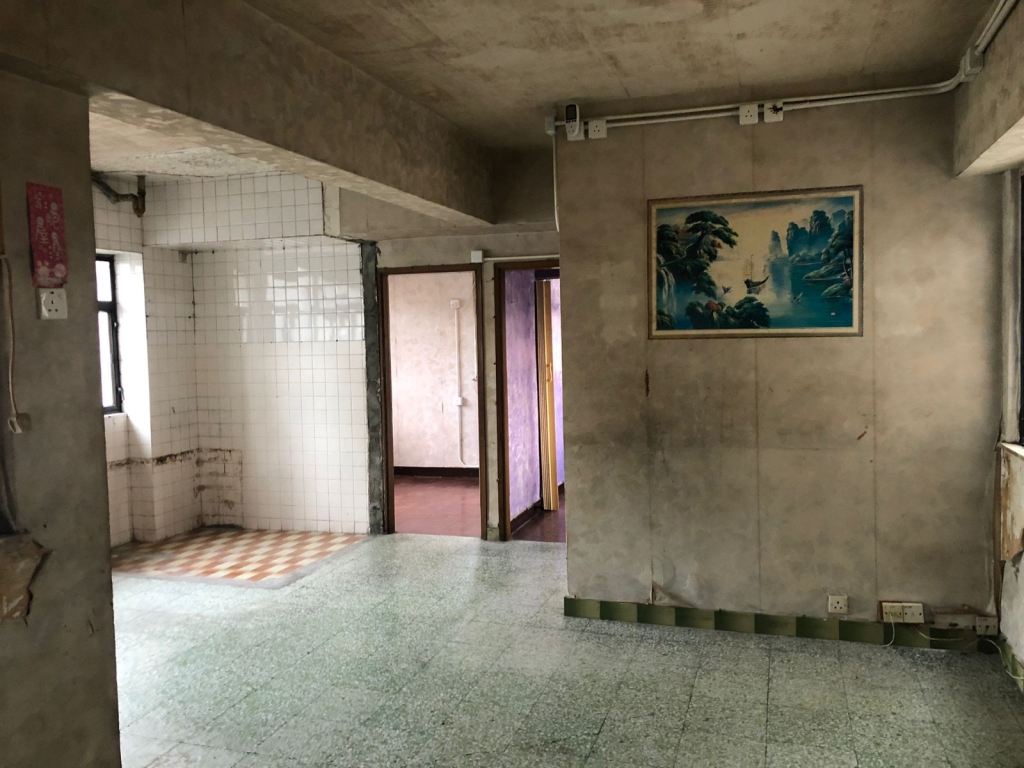
What is a Mortgagee Sale Property?
A mortgagee sale property refers to a property that a creditor (such as a bank or financial institution) applies to the court to repossess and publicly sell on the market. This occurs when the original property owner is unable to repay their mortgage loan to the bank or financial company.
When Will a Bank Repossess a Mortgagee Sale Property?
1. Negative assets ≠ bank repossession
Even if the property becomes a "negative asset" (market value is lower than the outstanding loan), as long as the borrower Make repayments on time, banks usually No property will be repossessed.
2. The key reason for banks to repossess properties: long-term default in mortgage payments
Bank initiates repossession procedure (Call Loan) Main conditions yes:
-
Borrower Financial problems,Persistent default on mortgage payments(Generally 3-6 months or above).
-
Banks will Conveyancing and Property Ordinance Taking legal action, including Entrust an officer to take possession of the property, and transfer the property to "silver owner" for sale.
3. How do banks handle default cases?
-
Initial arrears: The bank may issue a reminder and give a grace period.
-
Long-term arrears: Initiate legal proceedings to repossess property and auction it off to pay off debts.
Why Choose a Mortgagee Sale Property? 3 Key Advantages
Purchasing a mortgagee sale property offers the following attractive benefits to buyers:
1. Price Advantage: High Likelihood of Below-Market Price
more favorable than regular second-hand properties quickly recover debt,not to seek profit. Therefore, the pricing is usually more favorable than regular second-hand propertieson the market, and it might even be below the valuation.
2. High Transaction Certainty
-
Clear Seller Motivation:As the creditor, the bank has a strong willingness to sell. No temporary counter-offer or withdrawal of sale.
-
Standardized Process:Sales conducted through auctions or real estate agents are transparent in their terms, reducing back-and-forth negotiations between buyer and seller.
How to Find Mortgagee Sale Properties? 2 Main Channels
1. Real Estate Agents:You can submit a bid to the bank through a real estate agent, and the bank will decide whether to sell the unit.
2. Auction House:Banks often consign mortgagee sale properties to auction houses for public bidding.
Purchasing a mortgagee sale property primarily involves two methods: Open for sale and Public Auction Below are the detailed procedures and important considerations:
Open for sale
- Find an agent, view properties, and choose a suitable property owner
- The agent submits the bid, writes the price into the tender document, and then submits it to the bank
- When bidding, the agent usually asks the buyer to pay a temporary deposit of 3%-5% at the same time to prevent the buyer from regretting after winning the bid. If the buyer fails to successfully bid for the property, the temporary deposit can be returned.
- The bank will sell the property to the highest bidder after the bids are closed. However, if all bids are lower than the bank's reserve price, the bank can re-tender.
Public Auction
- Search for information and keep track of when and where your desired property will be auctioned
- Entrust a law firm to check the deed with the first legal mortgagor to confirm the owner of the property
- Buyers attending the auction
- As long as the buyer's bid is higher than the bank's reserve price, the bank's owner's lot will be the "highest bidder wins"
- Generally speaking, after successfully bidding, the buyer needs to immediately pay the property price of 10% as a deposit and sign the "Formal Sales Contract"
Important Considerations When Buying a Mortgagee Sale Property
1. Title and Deed Inspection
✅ Land Registry search: Check whether the property deeds are complete to avoid buying properties with illegal construction, unclear ownership or missing important documents.
✅ Original owner background: If the original owner has financial disputes, he may be harassed by the financial company in the future (although it will not affect the rights and interests of the new owner, it may cause trouble).
2. Price evaluation
✅ Don't Blindly Overbid: While mortgagee sale properties might be below market price, at auction, it's "highest bidder wins," so the final transaction price may not always be a bargain.
✅ Reference Surrounding Transactions:: Compare recent second-hand transaction prices in the same district to set a reasonable budget.
3. Hidden Fee Check
✅ Check for Outstanding Fees: Before completing the transaction, confirm whether the property has defaulted on management fees, water, electricity, gas, rates or land rent
4. Apply for a mortgage quickly
✅ Tight Completion Period:Mortgagee sale properties usually have a short completion period of only 45 days, requiring you to prepare documents early and expedite mortgage processing.
✅ Mortgage Restrictions:
-
If you do not apply for mortgage insurance in time, you can only borrow up to 70% for properties below 10 million.
-
Suggested Mortgage Referral Company Speed up the process and increase the success rate.
5. Legal Risks
✅ Lease Issues: If the property is sold with a lease, the terms of the existing lease must be followed (which may affect whether the property can be occupied or resold).
✅ Transfer of ownership: Ensure that the bank has completed all legal procedures to avoid title defects.